Choosing the Right Materials for Scenic Fabrication
Introduction:
In scenic fabrication, the choice of materials directly affects safety, durability, aesthetics, and functionality. Selecting the right material ensures that set pieces are visually convincing, structurally sound, and suitable for the performance environment. Whether for theater, film, television, live events, or themed attractions, understanding material properties is essential for successful fabrication.
1. Wood: Versatile and Sturdy
Uses in Scenic Fabrication
Wood is a staple material for platforms, frames, props, and facades. Plywood, MDF, and hardwoods are commonly used depending on the strength and finish requirements.
Advantages
- Easy to cut, shape, and assemble
- Strong and durable
- Can be painted, stained, or textured for realism
Considerations
Heavy wood may not be ideal for moving pieces or frequent scene changes. Designers often combine wood with lightweight materials to reduce weight while maintaining strength.
2. Foam and Styrofoam: Lightweight and Sculptable
Uses in Scenic Fabrication
Foam is perfect for creating sculpted props, architectural details, and large decorative pieces. It is widely used for stage and film sets where weight and ease of manipulation are critical.
Advantages
- Lightweight and easy to shape
- Can be carved, sanded, and molded
- Works well with coatings, paints, and textures
Considerations
Foam is fragile and requires reinforcement for structural elements or high-traffic areas. Protective coatings and coatings like resin or plaster improve durability.
3. Metals: Strength and Durability
Uses in Scenic Fabrication
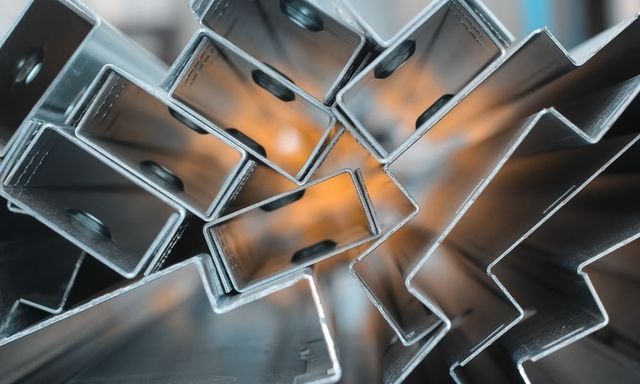
Metals such as steel, aluminum, and brass are ideal for structural frameworks, rigging, and interactive elements. They are essential for load-bearing structures and moving components.
Advantages
- High strength-to-weight ratio
- Supports heavy or mechanical elements
- Long-lasting and stable
Considerations
Metals require welding, cutting, and specialized assembly, and may be heavier and more expensive than other materials. Safety considerations and weight management are critical.
4. Plastics and Acrylics: Flexible and Modern
Uses in Scenic Fabrication
Plastics and acrylics are used for transparent or decorative surfaces, signage, and custom props. They are versatile for modern set design and lightweight installations.
Advantages
- Lightweight and versatile
- Can be molded, bent, or cut precisely
- Can simulate glass, water, or other textures
Considerations
Plastics may scratch or discolor over time, and some types may require special adhesives or treatments for painting or finishing.
5. Fabrics and Textiles: Soft, Flexible, and Dynamic
Uses in Scenic Fabrication
Fabrics are used for curtains, drapes, backdrops, banners, and soft props. They can add movement, texture, and visual interest to a set.
Advantages
- Lightweight and flexible
- Can be dyed, printed, or textured
- Adds depth and realism
Considerations
Fabric may wrinkle, tear, or fade under stage lights. Proper selection and reinforcement for tensioned or hanging applications are important.
6. Composites and Specialty Materials
Uses in Scenic Fabrication
Composites, resins, and fiberglass are used for highly detailed, durable, or custom pieces. They are often chosen for props, statues, or scenic elements that need longevity.
Advantages
- Durable and long-lasting
- Can be molded into intricate shapes
- Resistant to moisture and wear
Considerations
Composites are more expensive and require specialized fabrication techniques, but they are ideal for long-running shows or outdoor installations.
7. Factors to Consider When Choosing Materials
Weight and Mobility
Lightweight materials are essential for moving sets, touring productions, or quick scene changes.
Safety and Durability
All materials should meet safety standards and withstand the wear and tear of performances.
Aesthetic Requirements
Consider texture, color, and finish. Materials should enhance realism and storytelling.
Budget and Availability
Cost-effective options may be preferred, but sometimes investing in higher-quality materials ensures long-term durability and visual impact.
Conclusion:
Choosing the right materials is a critical step in scenic fabrication. By understanding the properties, advantages, and limitations of wood, foam, metal, plastics, fabrics, and composites, designers and fabricators can create sets that are safe, visually stunning, and functional. Thoughtful material selection not only supports the artistic vision but also ensures the practical success of the production.